The lostwave comes home: panchiko at the fillmore charlotte
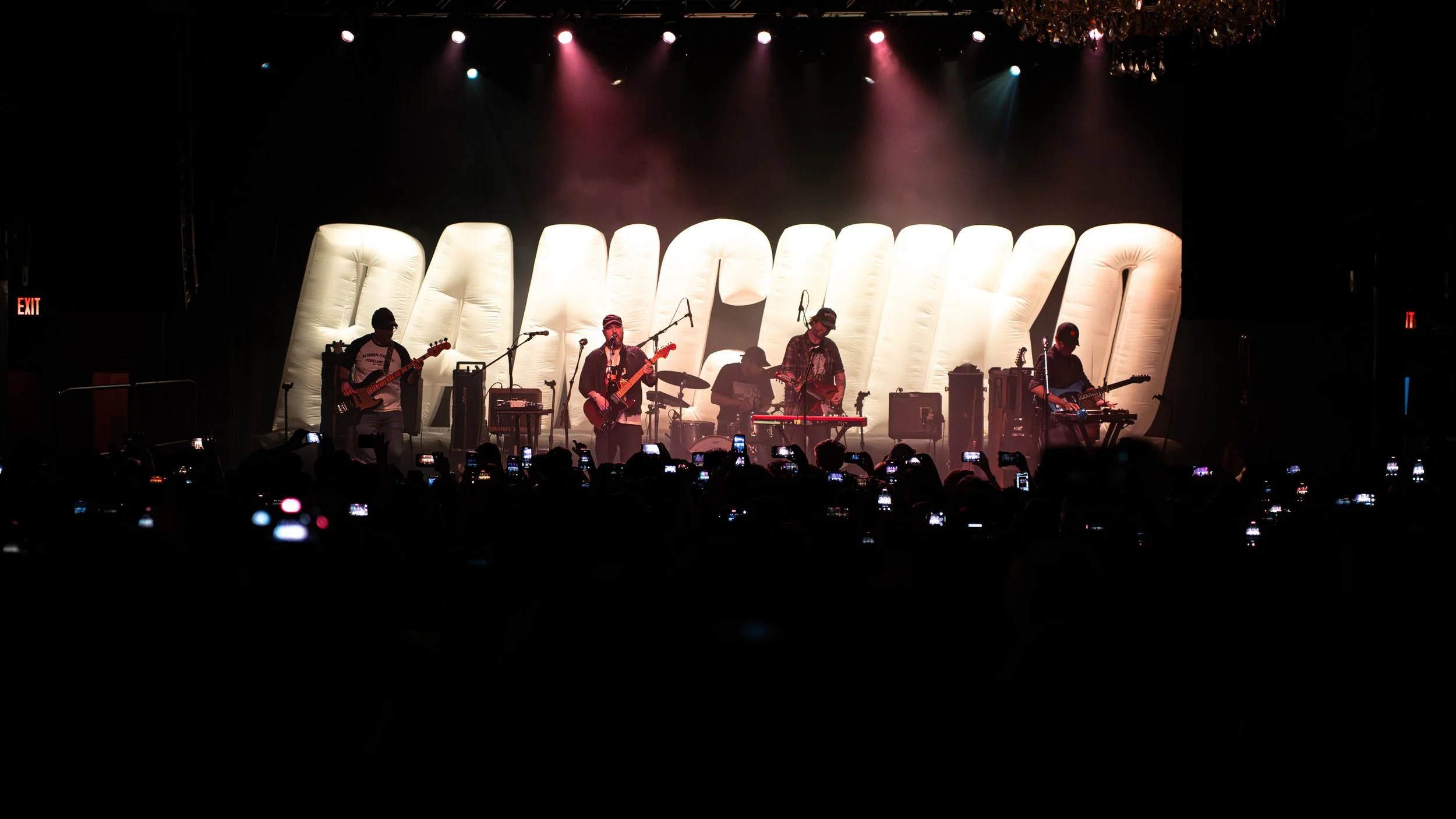
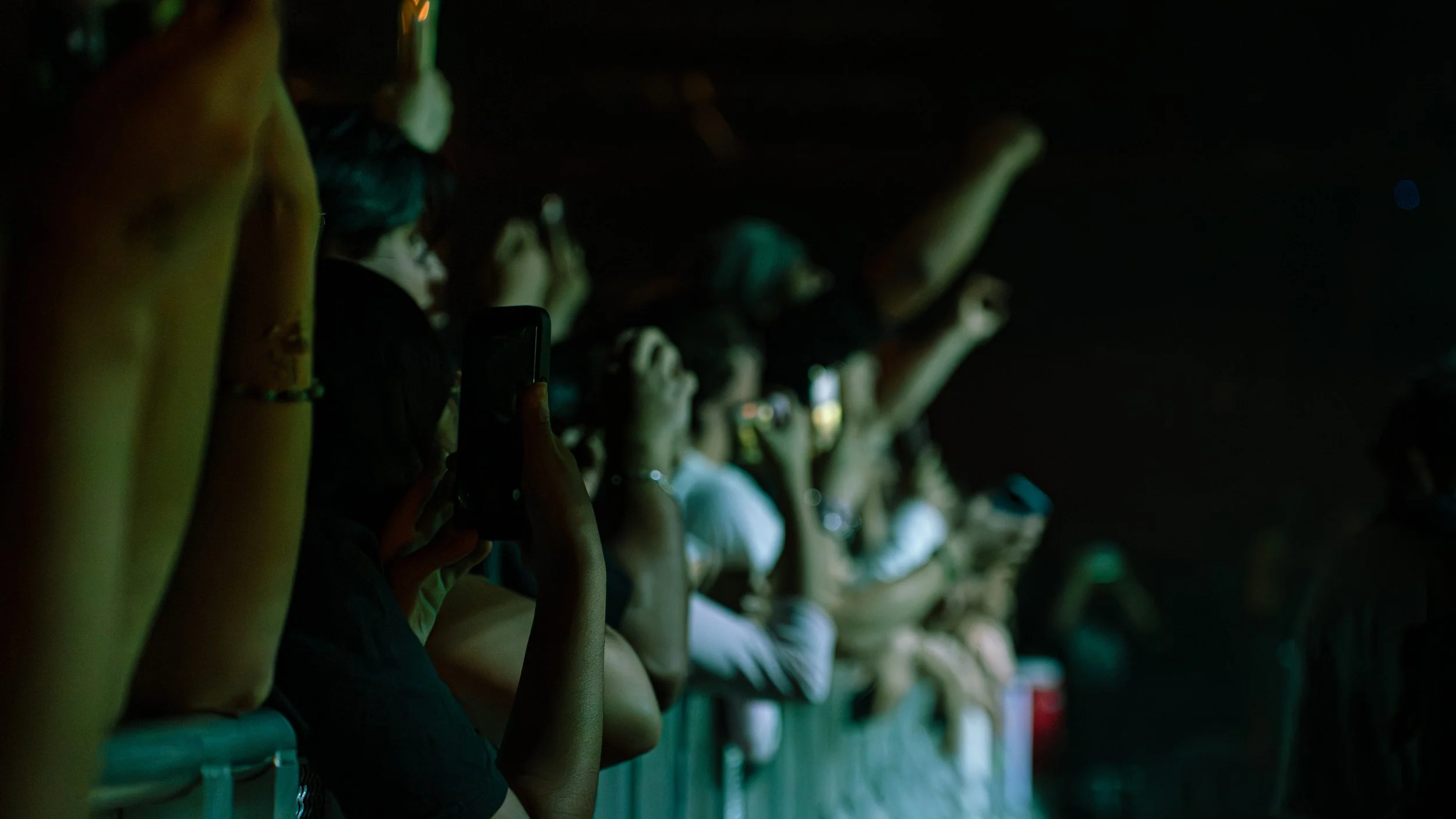
If you walked into The Fillmore at the right moment on Sunday April 26, 2026, you would have noticed something before you noticed the band. The crowd was young. The crowd was very young. Charlotte’s premiere music venue, The Fillmore, had been handed over almost entirely to people in their late teens and twenties, and most of them were not moving. They were standing unnaturally still, eyes locked in on the stage, drinking in the soft but intrusive melodies. That stillness was the entire show and it was earned in its progression.
Sundots opened the night, the Connecticut four-piece led by Drew Collins (Vocals/Guitar/Songwriter) alongside Jake Fucci, Austin Traver, and Nick Restivo. Their set lived somewhere between folk and slowcore, with the kind of bedroom-pop intimacy that translated surprisingly well to a venue that size if the crowd is willing to meet it halfway, and the Charlotte crowd did not disappoint. By the third song, the floor had stopped chattering and started listening, which is the exact tonal handoff a Panchiko show needs from its opener.
Rehash then took it up a notch without breaking the spell. The South Florida four-piece, made up of Renzo Valdez (Vocals/Rhythm Guitar), Sebastian Gamez (Lead Guitar), Ethan Lopez (Drums), and Daseth Lopez (Bass), have been likened to Panchiko, Radiohead, and The Strokes, and you could hear all three influences in their set. Their TikTok-fueled rise has earned them a real following of their own, and a sliver of the room had come specifically for them too. They played louder than Sundots and pulled the crowd a half-step closer to the stage, but kept the moodiness intact. By the time their set ended, you could really feel the room ready to be hypnotized. The openers had done their job.
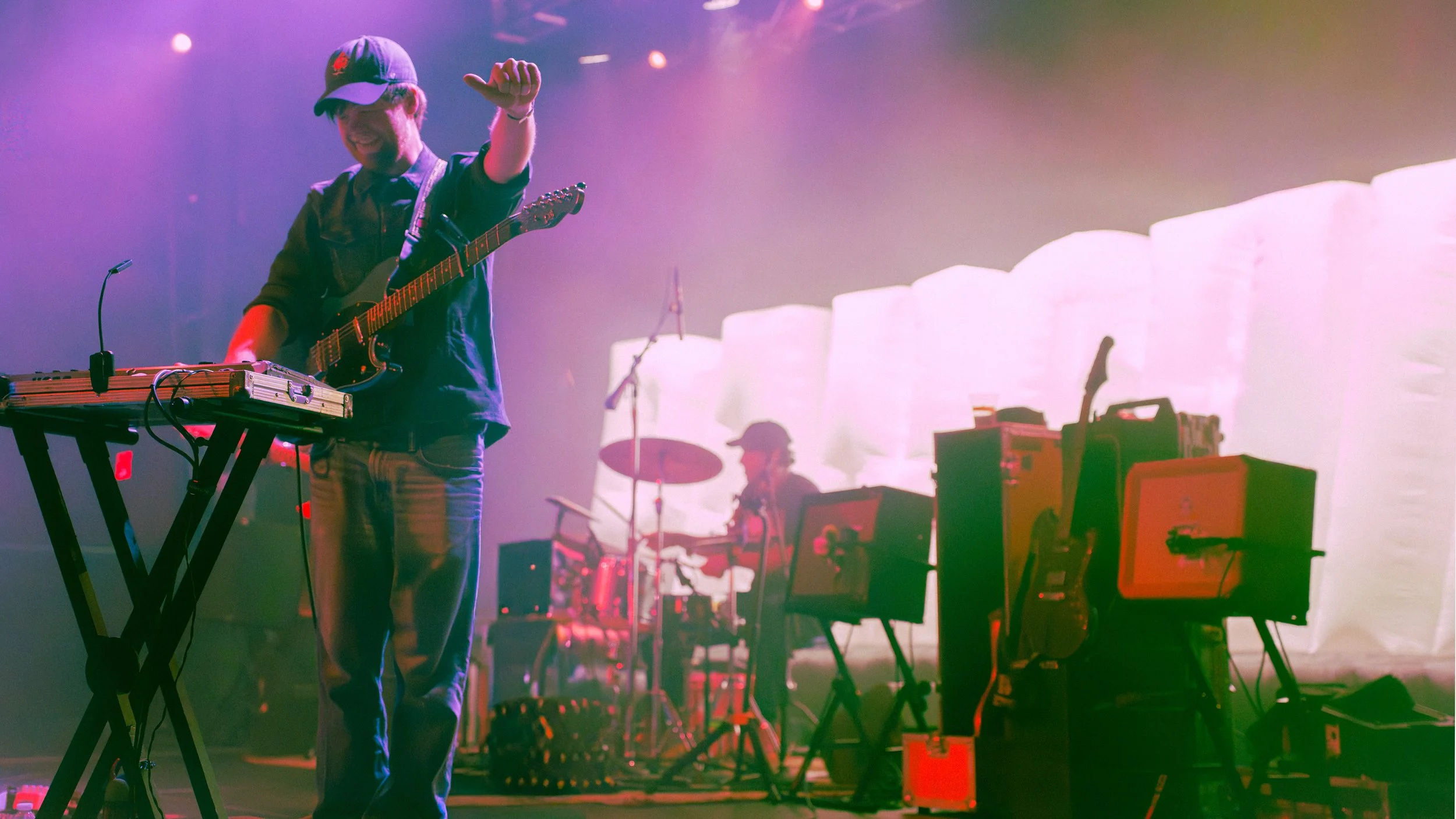
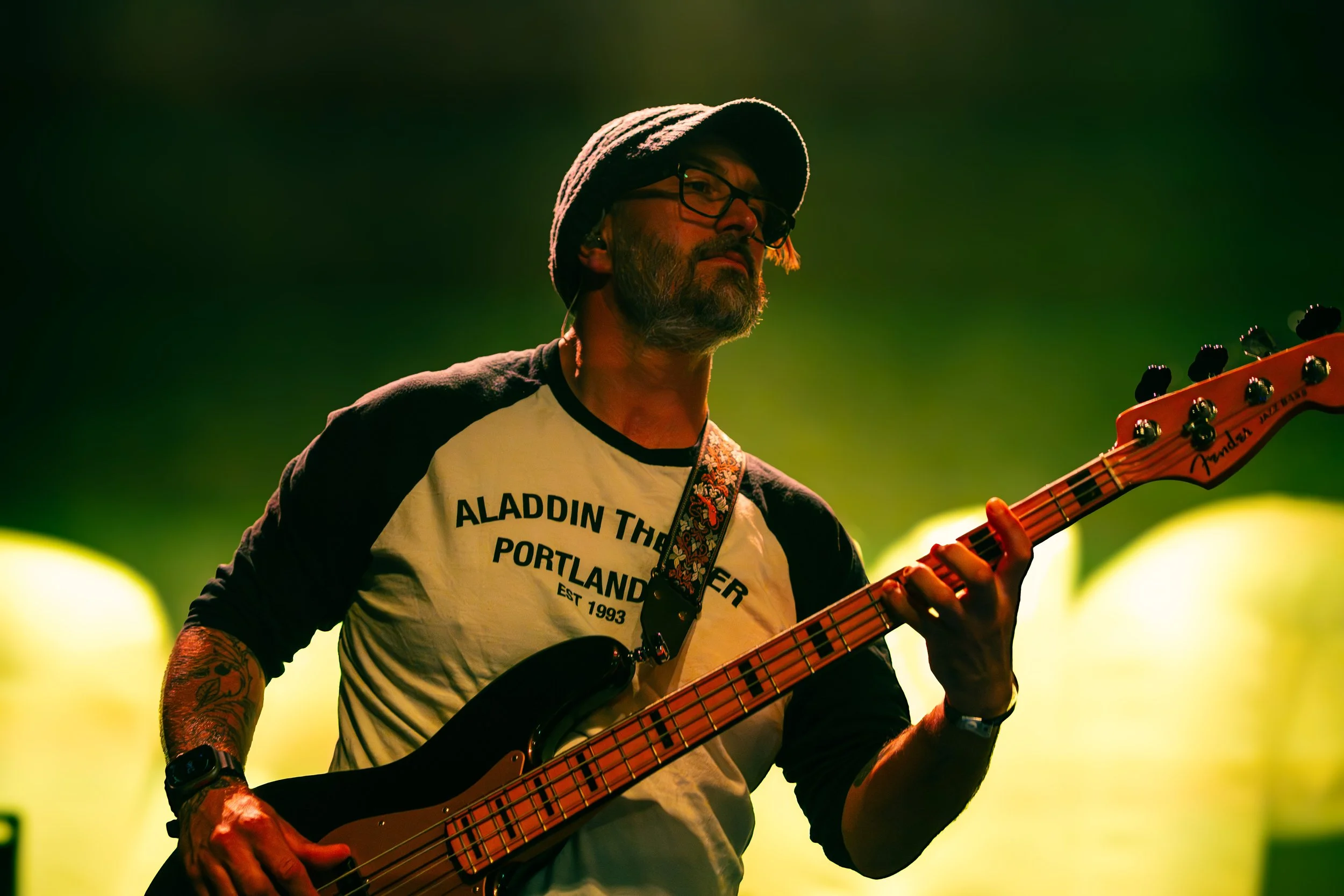
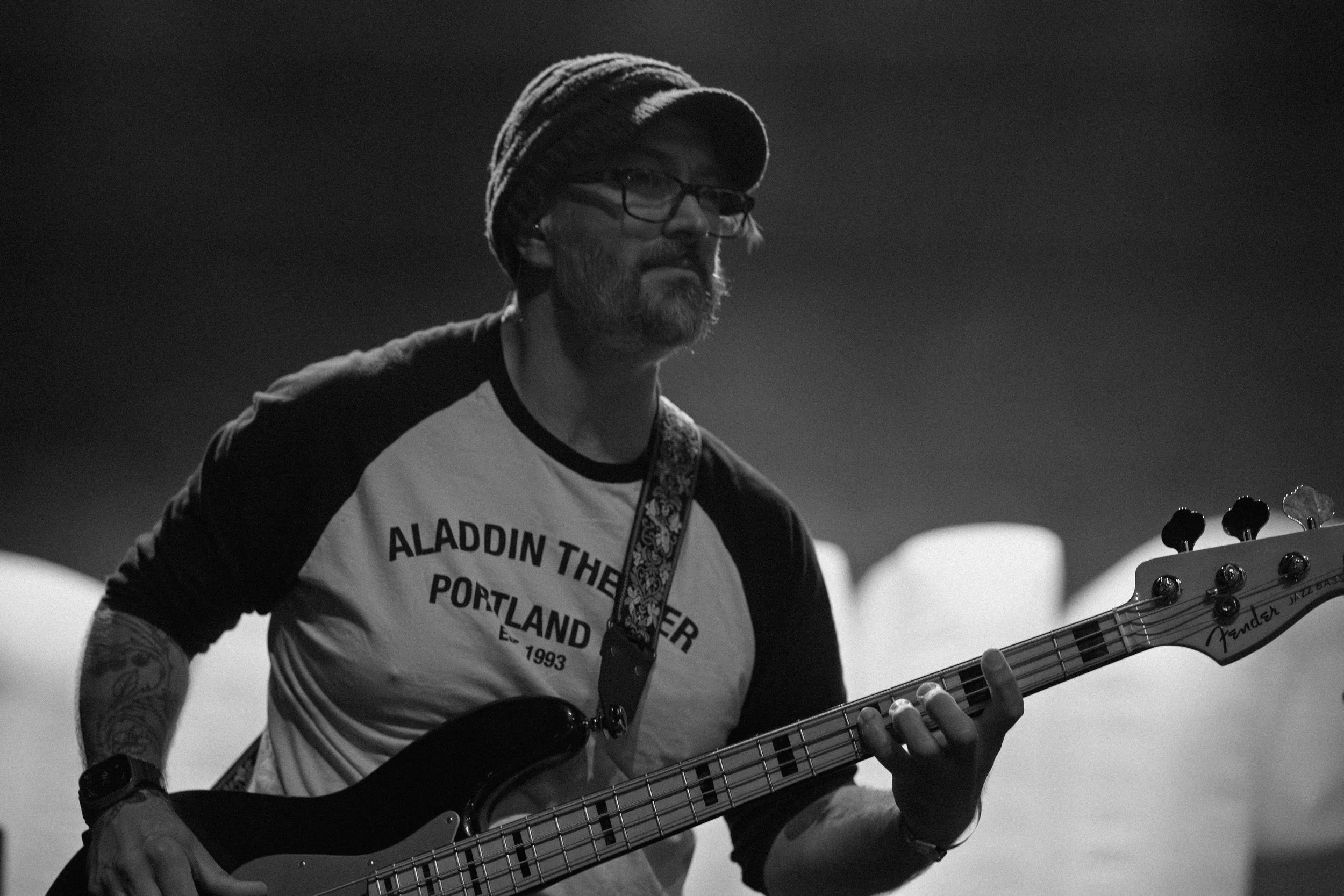
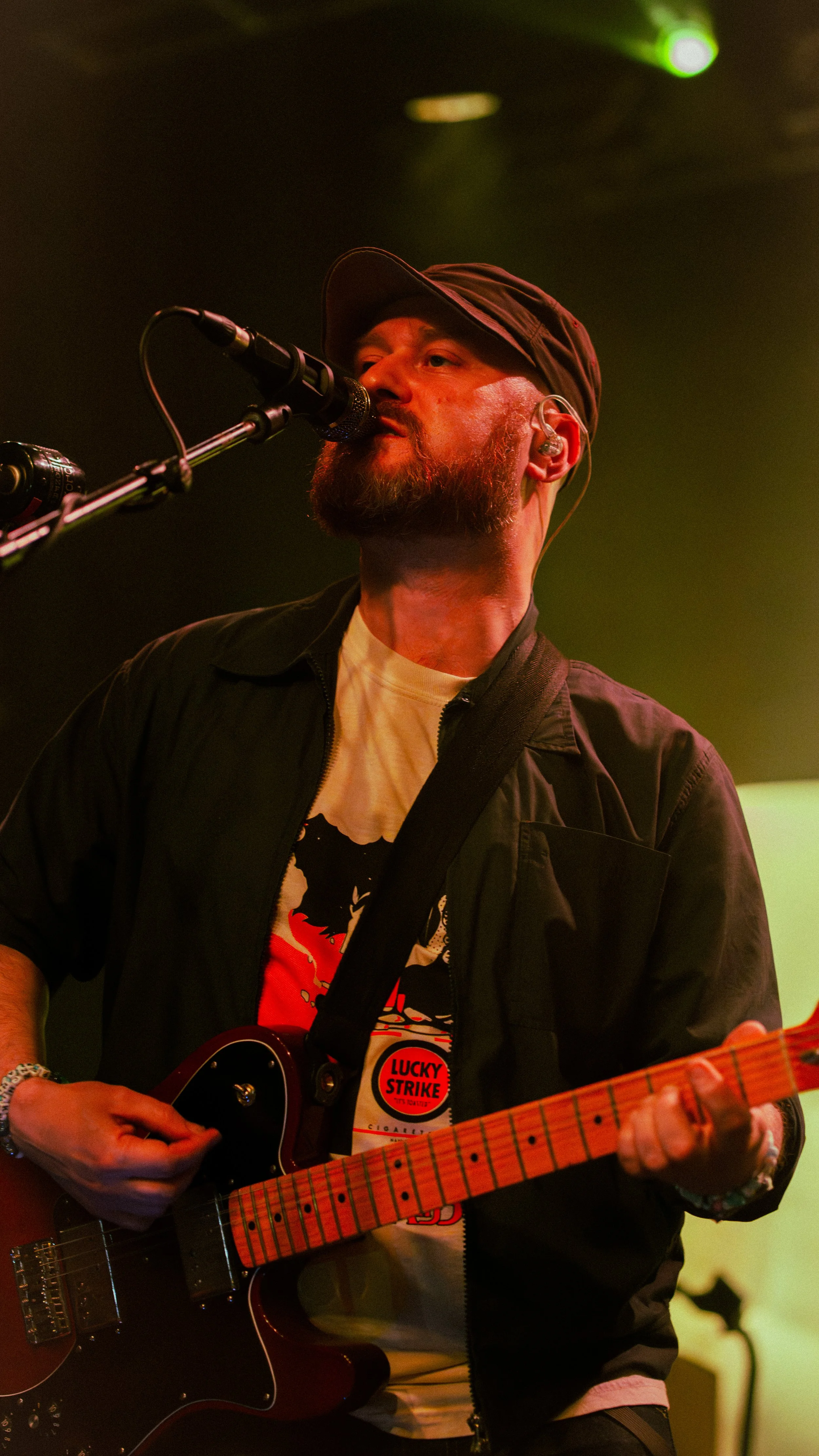
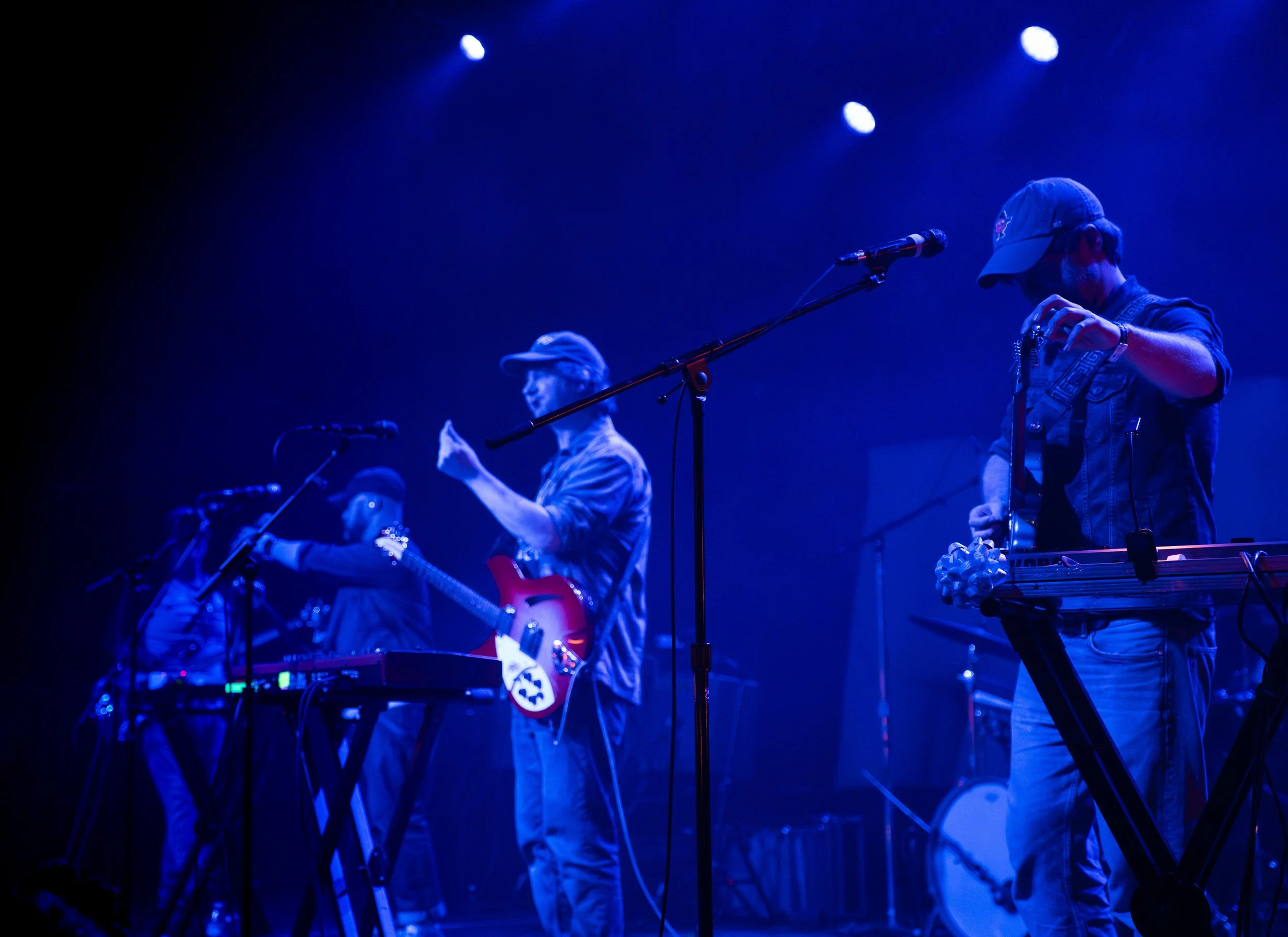
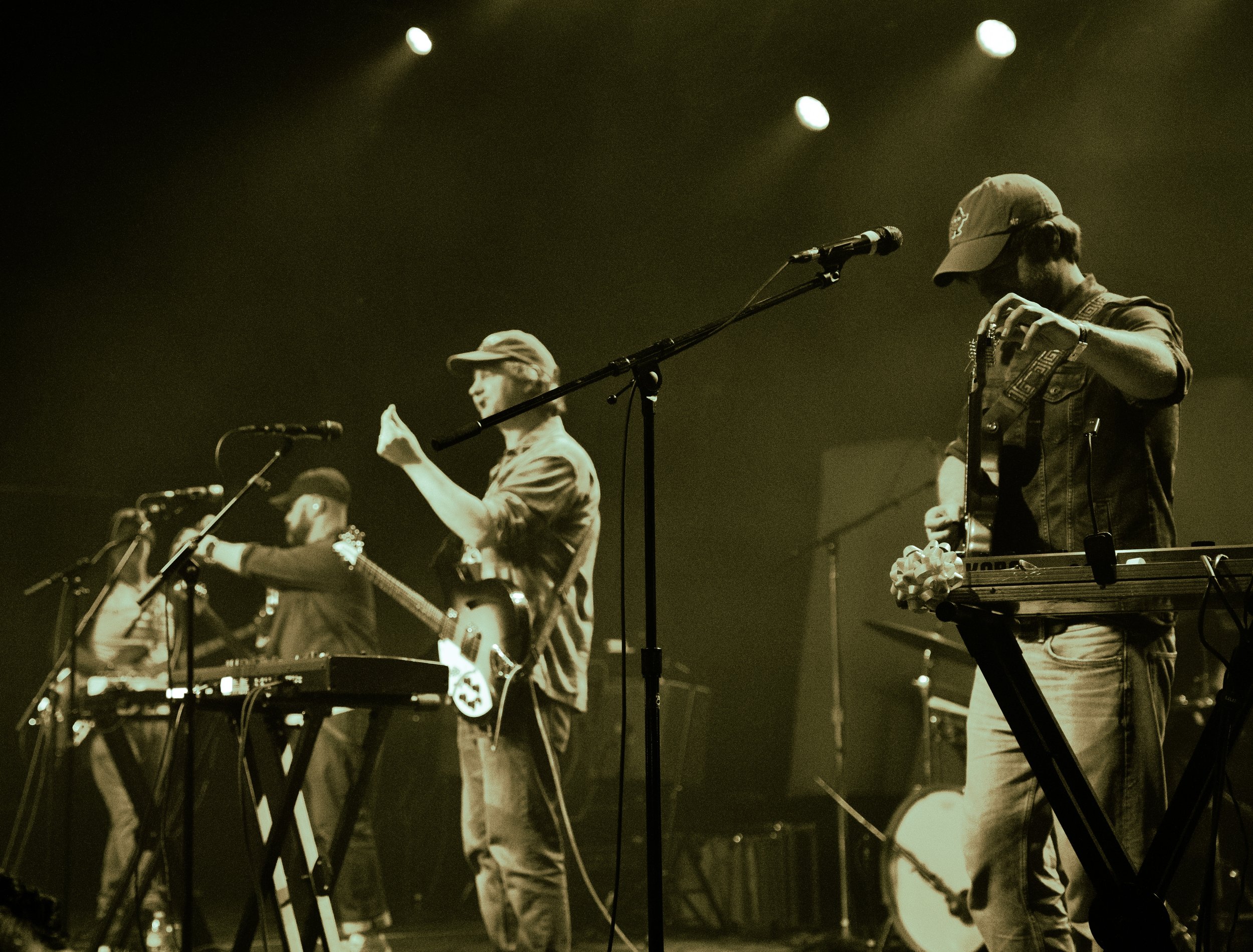
And then, Panchiko walked on quite uneventfully. Owain Davies (Vocals/Guitar) and Andy Wright (Keys/Producer/Original Member) flanked the stage with original bassist Shaun Ferreday (Bass), and the post-reformation additions Robert "Rob" Harris (Guitar) and John Schofield (Drums) settled in behind them. Five men from Nottingham who, in a different universe, would still be at their day jobs.
What followed was not a rock show in the traditional sense. It was a deliberate possession. "No.8" arrived early in the set, all submerged guitar and Davies's voice floating somewhere above the mix like it was in a different room than his body. The crowd swayed in an almost involuntary motion, more like grass in the wind than dancing. "Until I Know" came later, and the soft but intruding melodies the band has spent two decades perfecting did exactly what they were built to do, which is to slip past your defenses while you're still trying to figure out the time signature. You could see kids at the front mouthing the words with their eyes closed. Chef's kiss is an understatement and one I cannot stop using because nothing else fits this scene.
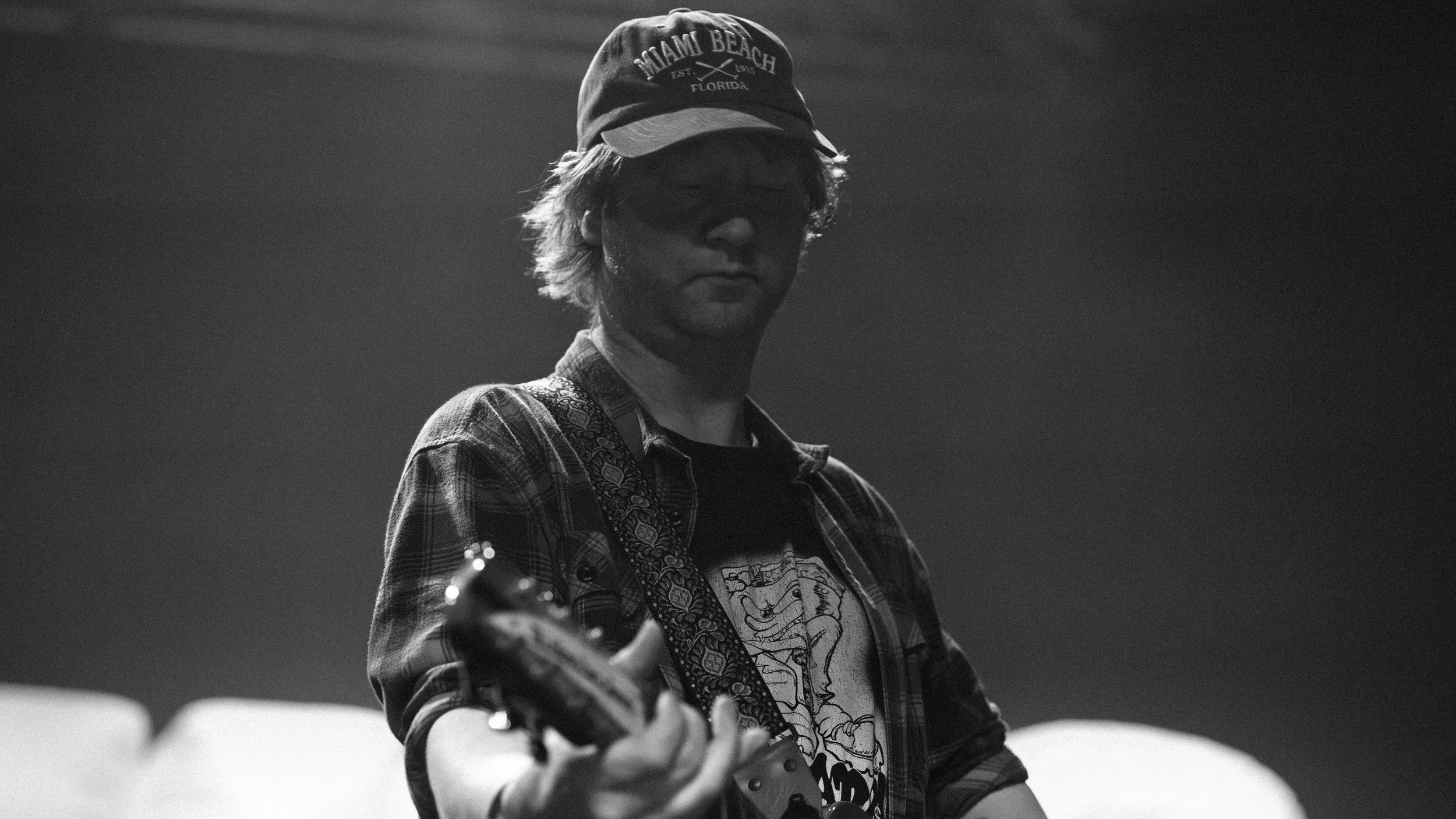
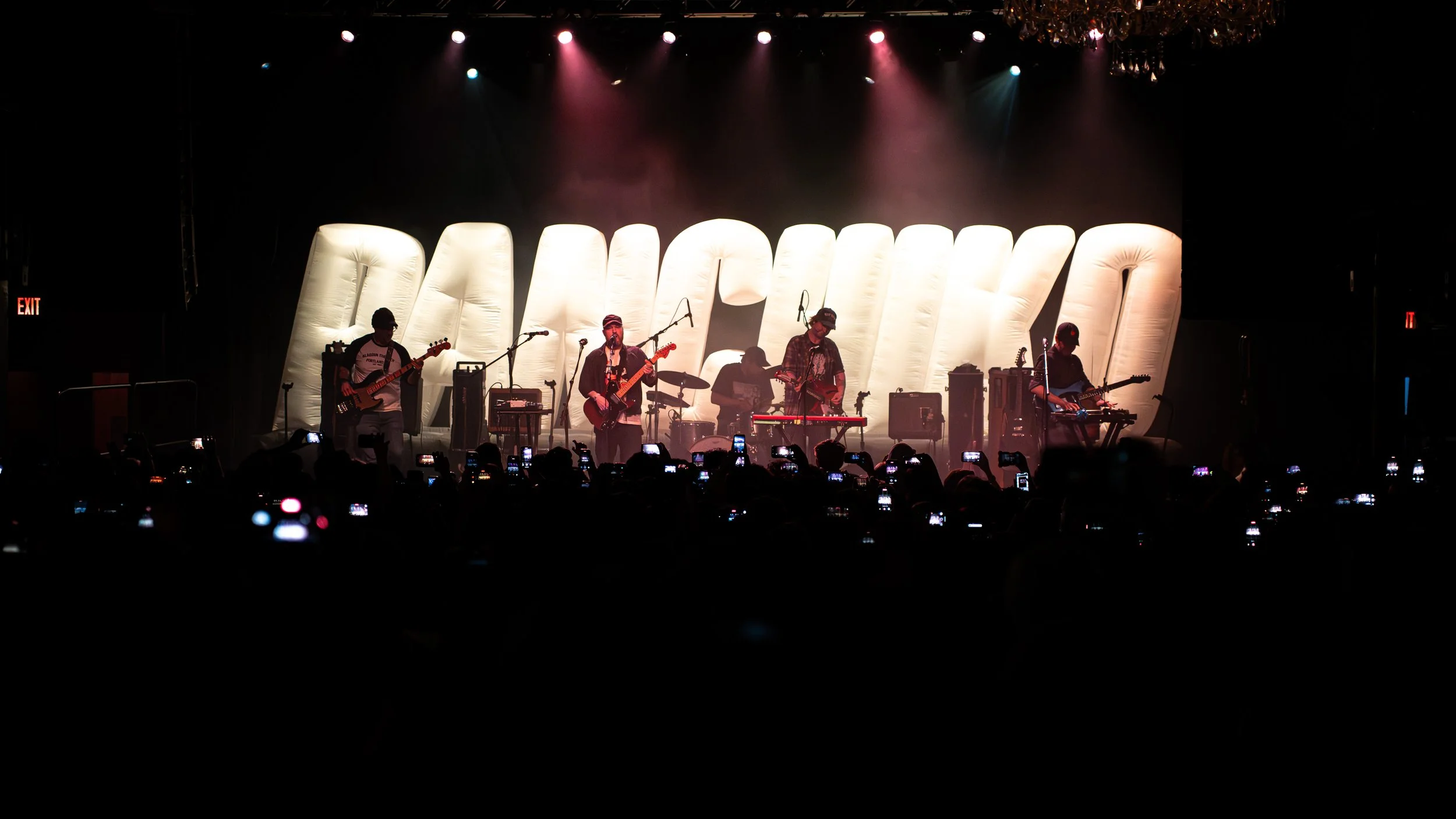
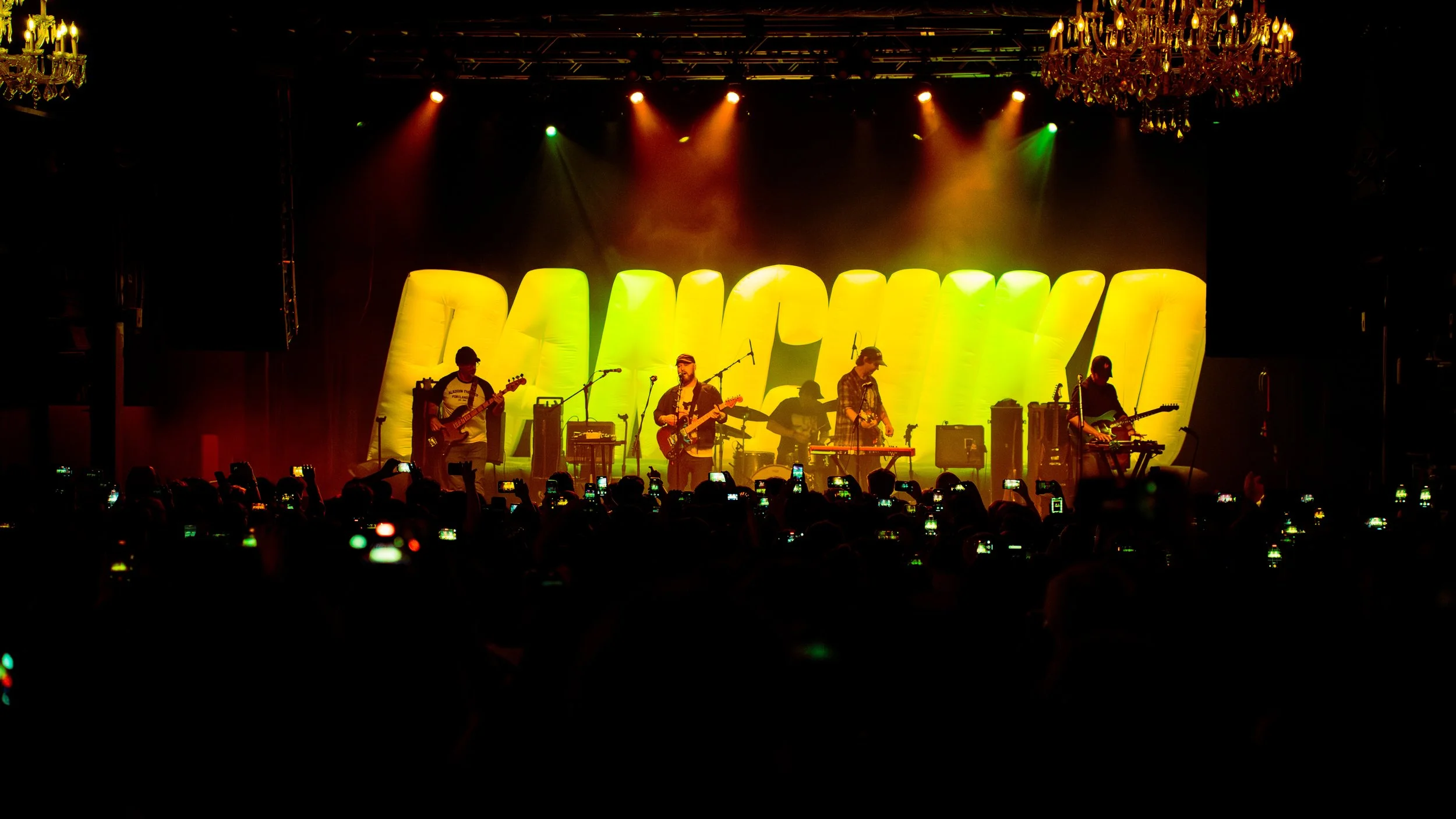
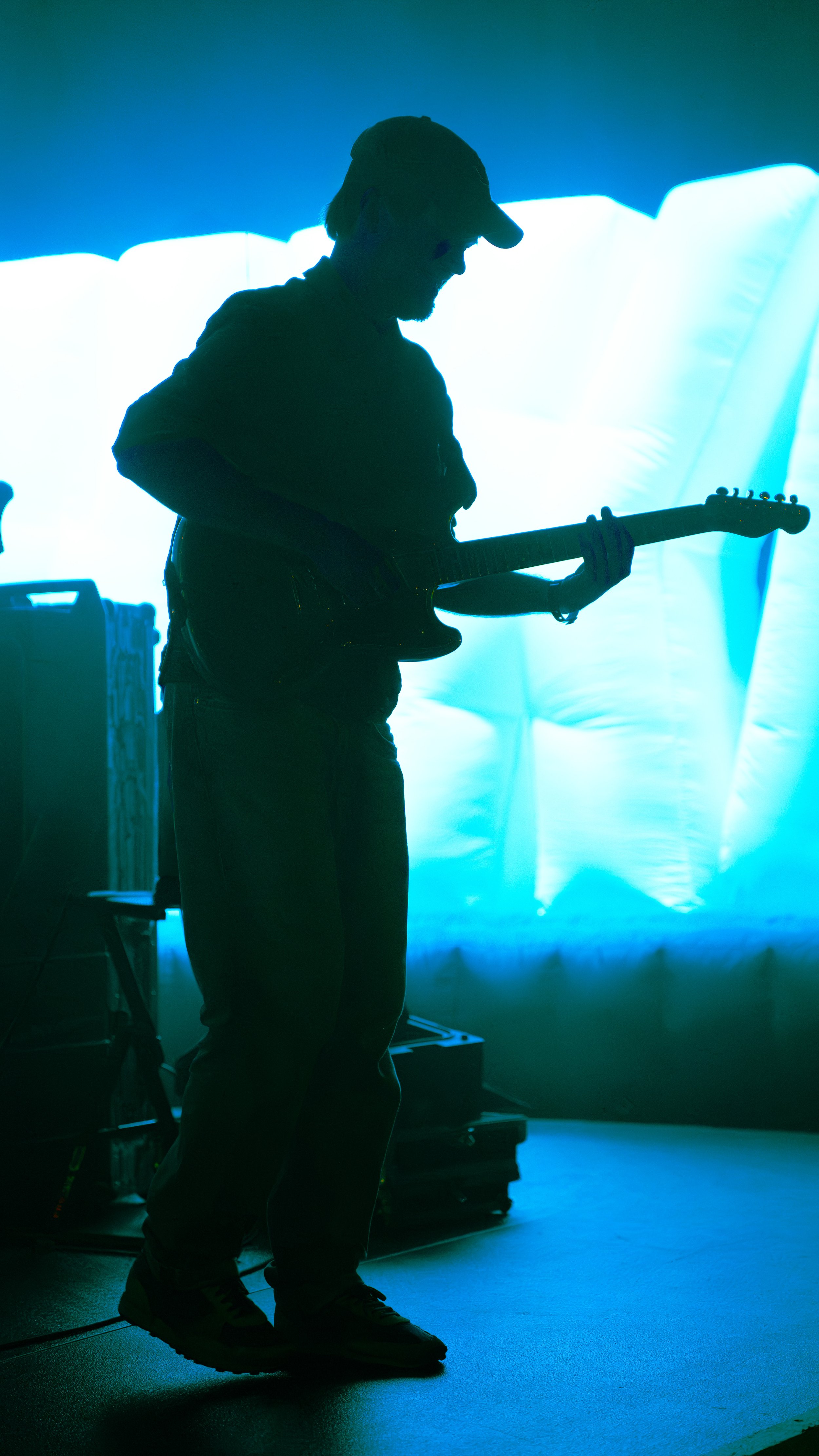
The musicianship was tight without being showy. Wright's keys and samples did most of the atmospheric heavy lifting while Harris and Davies's guitars leaned into and out of each other, sometimes shimmering, sometimes burrowing, never grandstanding. Schofield's drums were the secret skeleton of the whole evening, holding tempo so reliably that the band could float above him without anyone feeling unmoored. Ferreday's bass moved like an undercurrent, more felt than heard. There is no frontman pyrotechnics here. There is no one trying to be the star. The group even opted for a minimalist stage presence, with their name displayed on an inflatable as the solitary visual element. There is a band that disappeared for twenty years and came back to make the songs they did not get to make the first time, and they perform like they are still grateful for the chance.
Special shoutout to the room itself. A young crowd standing this still for ninety minutes is its own kind of review. These were kids who found the band the same way the band's first fans did, online, late at night, falling into the rabbit hole of a half-deleted internet myth, and now they were here in person. Sixteen years later, Panchiko had found its generation.
Photos and review by Stephen Barbour