
No Easy Predictions on Selfish Things' Receptivity
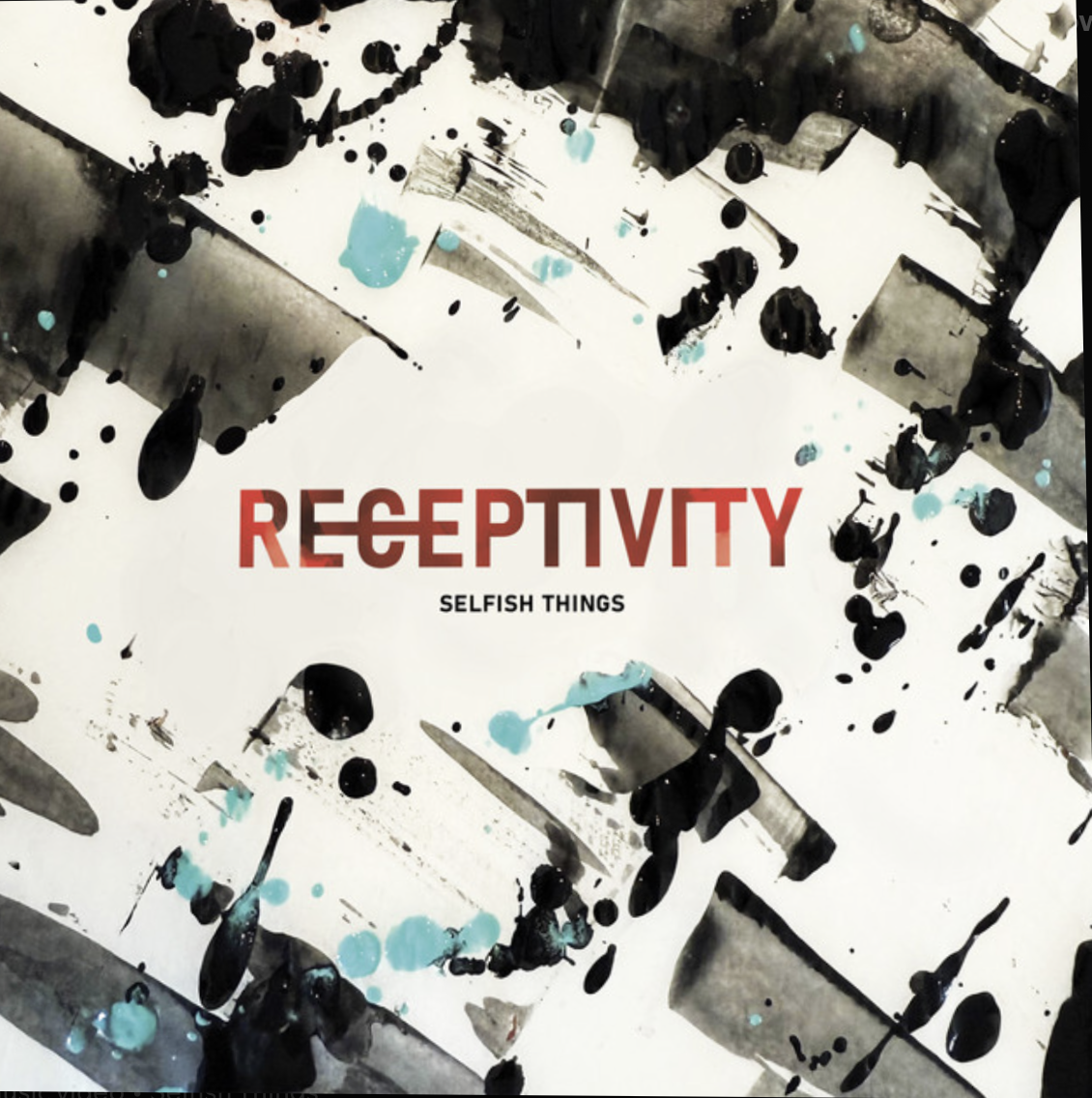
Knowing what to expect from Receptivity would defeat the point of listening to it in the first place. Selfish Things’ latest record, released October 9 via FLG Records, moves through an impressive range of sounds, giving each song its own personality while maintaining a clear identity throughout the album. The 10 tracks keep you guessing, jumping from soaring melodies to crushing breakdowns before suddenly leaving nothing but a piano and a voice.
The album opens with “Intro,” a brief, eerie track built around a spoken poem about suffering, lilies, and death. A woman recites the monologue over an atmospheric production with an almost otherworldly quality, introducing a sense of unease that carries into the rest of the album.
Following the intro, “Plant the Seed” brings the first dramatic change in scale, opening with a grand arrangement that gradually gives way to a much heavier sound. Alex Biro’s vocal delivery carries a particularly sharp edge in the lines “You find another reason to hold on another season / Guess I'm hedonistic, written off, the worst of all your demons.” The chorus, “Plant the seeds / But I won't pick them / Eat the fruit / I'm not the victim,” introduces a narrator who seems determined to own his decisions, even when the consequences are ugly. By the closing stretch, the arrangement falls back to piano and background vocals as Biro moves into a rapid, almost rap-influenced delivery.
“Sunlight” brings a welcoming burst of energy, with louder vocals, gang screams, and a heavy breakdown that gives the song an immediate sense of fun before taking a darker turn on “Violence,” one of the record’s most compelling tracks. There is a funky emo edge running through its heavier guitars and aggressive delivery, with the production reminiscent of a Twenty One Pilots track. The lyrics lean into anger and disillusionment, particularly in the chorus: “God left us all alone / Now fools sit on the throne.” Biro’s delivery grows increasingly forceful as the song progresses, while a whispered “Let me see the violence” creates an especially effective moment of tension before the bridge erupts into screams.
“Effigy” shifts gears again, opening with a funky, rap-driven verse that gives Biro plenty of room to play with his cadence. The writing is packed with imagery of anger, confinement, and exhaustion, from “I am a mountain, the rise and the fall” to “Cement in my shoes, drugs in my veins.” The delivery is rhythmic and tightly packed, almost overwhelming the listener with one thought after another. When the chorus arrives, the melody opens up around the repeated admission, “What a mess, what a mess I've made,” as the lyrics circle the feeling of being trapped in a situation with no clear exit.
“Cracks” picks the energy back up, building a more hopeful message that brings a sense of forward motion to the record. There is a cinematic quality to its arrangement, reminiscent of a soundtrack in a film's pivotal scene. That momentum carries into “Liability,” which stands out as one of the album’s strongest introductions to its overall sound. The violin adds an unexpected layer to the track, complementing its pop-punk foundation and giving the arrangement an extra bit of character. Its chorus is immediately memorable, with Biro singing about insecurity, feeling like a burden, and struggling to recognise the progress he has made. The line “Been picking up the pieces / The pieces of me” gives the song a clear emotional centre without losing its momentum. A guitar solo adds another burst of force before the breakdown brings everything crashing back in. Between its sing-along chorus and the balance of melody and heaviness, “Liability” was the perfect single choice to introduce fans to this record.
“Hollow Point” opens with a ripping guitar solo before settling into whispered vocals and a hard-rock edge. The song spends an unusually long stretch holding back, moving through six verses before the pre-chorus and chorus finally open up into a more melodic, punk-driven release. That patience pays off when the repeated “Hey, wait / Hey, stay” leads into “Three days was long enough / My grave is an empty plot.” The lyrics carry a sense of urgency, while the shift from near-whispered delivery to the larger chorus gives the song a natural point for a crowd to erupt. It is easy to picture an entire room shouting those lines back at the band.
The closing stretch takes a quieter turn with “Eye for an Eye,” which begins with softer guitar work and lyrics that imagine the speaker's own funeral. The verses are bleak and pointed, dwelling on the people who might gather to mourn and the things they might say once he is gone. “We all carry our burdens, we all confront loss / We all do our best but get nailed to a cross” introduces a broader sense of shared suffering before the song turns sharply inward again. Later, the instrumentation grows heavier, with guitars and drums pushing the song into a more forceful declaration: “I worship nothing / My tongue is free / I bow to no one / My king, my queen.”
The outro then returns to the same poem that opened the record. This time, a male voice delivers the words originally spoken by a woman in the intro, bringing the album back to its starting point with a subtle yet effective shift in perspective.
Across Receptivity, Selfish Things demonstrate a knack for moving between styles without losing the thread connecting them. The album can be abrasive, melodic, or restrained, sometimes all within the same song, and its strongest moments come from the band's willingness to follow those shifts wherever they lead. Ultimately, Receptivity is an album best experienced firsthand, with all its twists and turns left for the listener to discover.
Review by Bek Allegretti